Join us for the Building Freedom Book Launch Party on September 30th!
Proceeds to benefit our beneficiary BetterALife
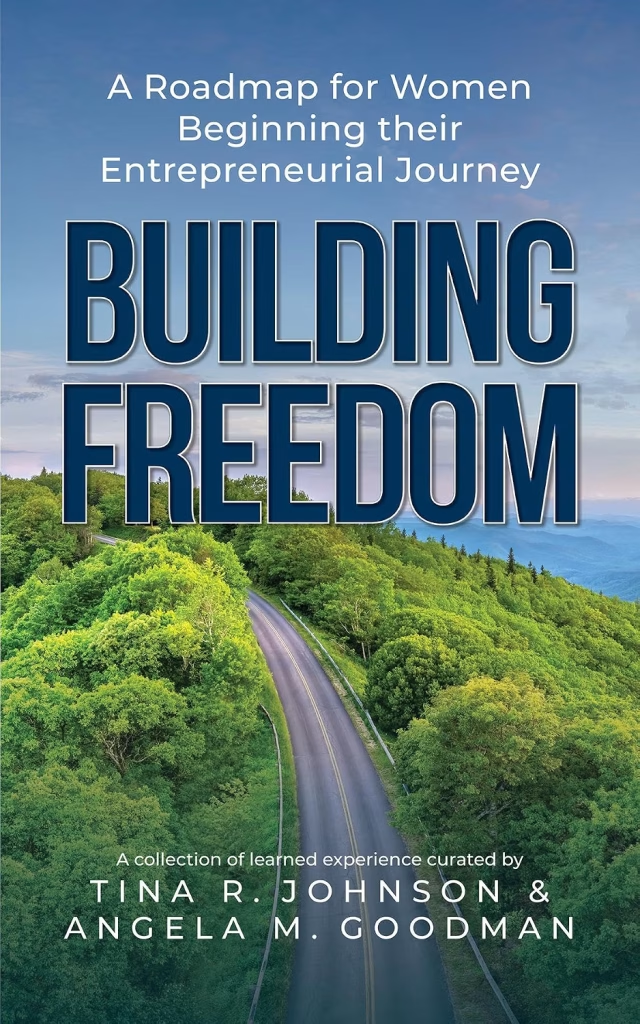
Building Freedom: A Roadmap for Women Building Their Entrepreneurial Journey brings together the knowledge, experience, and practical expertise of women who have built businesses, faced the challenges, learned the lessons, and are now sharing what they know with you.
Created for women beginning their entrepreneurial journey and those ready to strengthen what they’ve already built, Building Freedom provides a practical roadmap for navigating the many pieces of business ownership with greater confidence and clarity.
Because entrepreneurship isn’t easy, but the freedom is worth the work. And while you’re building your own business, you don’t have to build it alone.
Curated by Tina R. Johnson & Angela M. Goodman
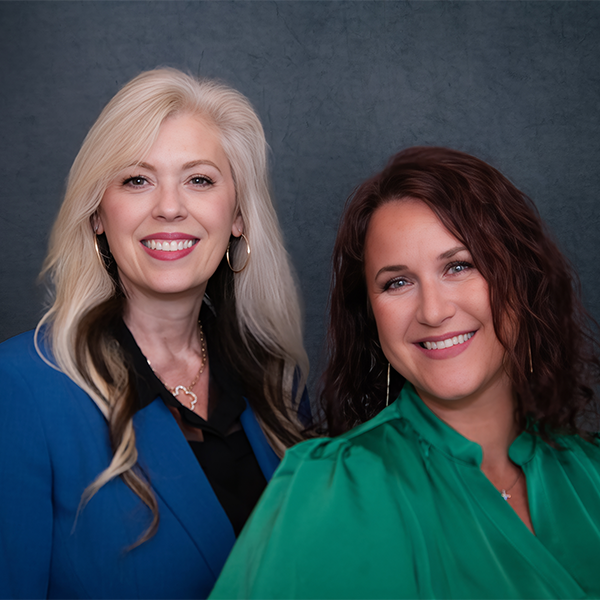
Building a business can be exciting, overwhelming, empowering, and sometimes lonely. Building Freedom was created to help you navigate that journey with the knowledge and experience of women who have been there themselves. In this opening chapter, Angela Goodman and Tina Johnson share the story behind the book and introduce a practical roadmap designed to help you build with greater confidence and clarity. Because freedom isn’t created by escaping structure. It starts by building a strong foundation for your business and the life you want to create.

Why are you starting your business? The first answer may be money, flexibility, independence, or more time with your family, but your real motivation often runs much deeper. Kelly Featheringham challenges you to keep asking “why” until you uncover the purpose behind what you’re building. Discover how a clearly defined why can become a compass for your decisions, leadership, messaging, relationships, and growth, helping you stay grounded through challenges and recognize which opportunities truly align with the business and life you want to create.

Big dreams become achievable when you turn them into intentional, measurable steps. Deborah Leben explores goal setting as more than creating a checklist. It’s a way to align your time, energy, and daily decisions with your values, vision, and the life you want to create. Learn how to break long-term goals into actionable milestones, maintain momentum by tracking and celebrating progress, and make adjustments when circumstances change. With greater clarity and intention, your goals can become a practical roadmap for moving forward with purpose.

Mission, vision, and values shouldn’t be statements that live on a website or hang on an office wall. They should influence how your business actually operates. Audrey Alford explores what happens when these foundational principles become practical tools for making decisions, leading employees, serving customers, evaluating opportunities, and navigating difficult situations. When consistently put into action, your mission, vision, and values can strengthen company culture, create operational consistency, differentiate your business, build customer loyalty, and ultimately contribute to a more scalable and valuable company.

More clients don’t necessarily mean a better business. Lisa R. Humphrey learned firsthand that trying to serve everyone can lead to mismatched clients, disappointing results, and burnout. In this chapter, she shows you how identifying your dream client can transform the way you market, sell, and deliver your services. Explore who you are uniquely equipped to serve, understand your ideal client’s needs and desires, and connect your offer to the transformation they’re seeking. Because sustainable growth isn’t about attracting everyone. It’s about serving the right people exceptionally well.

Building a business with your spouse brings a unique combination of opportunity, purpose, and challenge. Drawing from more than sixteen years of building businesses alongside her husband, Tess Medley explores what it takes to grow a company without sacrificing the relationship behind it. Discover how shared vision, complementary strengths, communication, commitment, and clearly defined roles can turn your marriage into a strategic advantage. Whether you’re already working together or considering it, this chapter provides a roadmap for building a thriving business while strengthening the partnership that makes it possible.

A strong business needs more than a great idea, polished brand, or growing client list. It needs a legal foundation designed to protect what you’re building. Tina R. Johnson explores why early decisions around business structure, contracts, intellectual property, and legal guidance can have long-term consequences for you and your company. Learn why developing relationships with trusted professional advisors from the beginning can help you avoid costly mistakes, reduce unnecessary risk, and move forward with greater confidence as your business grows.
Your brand is more than a logo, color palette, or set of guidelines. It’s how your business feels every time someone encounters it. Audrey Alford explores the idea of brand persona and how your personality, voice, customer experience, sales process, and everyday interactions work together to create trust and make your business memorable. Discover how consistency helps customers recognize what makes you different, why trying to appeal to everyone can weaken your brand, and how storytelling can turn your brand from something you describe into something people experience and remember.

What are you really offering your customer? Angela M. Goodman challenges you to look beyond the product, service, or package and consider the complete experience and transformation your business provides. Creating a strong offer begins with understanding who it is for, what your customer values, the problem you’re solving, and what will make someone want to buy. Through practical questions and real-world examples, this chapter helps you shape an intentional offer that connects with your ideal customer, differentiates your business, and creates an experience designed to deliver both value and profitability.

Growing revenue doesn’t always require finding more customers. Sometimes the opportunities are already sitting inside the business you’ve built. Linda Pierce Boosinger shares a practical approach to working smarter by validating what customers actually want, setting meaningful goals, and looking more closely at the needs of the clients who already know and trust you. Explore ways to create additional revenue through complementary services, partnerships, referrals, add-ons, consulting, and the knowledge you already possess, while staying focused on your core business and uncovering income opportunities you may have been overlooking.

Passion may start a business, but sustainable businesses are built through repeatable processes. Julia Healey explores how standard operating procedures, thoughtful pricing, delegation, leadership, and continuous improvement create the infrastructure your business needs to operate consistently and grow beyond you. Learn how documenting the way work gets done can improve customer experiences, make outsourcing easier, reduce inefficiencies, and prepare your business for change. Sustainability doesn’t happen by accident. It comes from intentionally creating systems that allow your business to keep delivering, adapting, and serving long after the initial excitement of entrepreneurship fades.

You don’t need to become an accountant to understand the financial health of your business, but you do need to know which numbers matter. Veronica Duckett breaks financial clarity down into three practical areas: cash, profit, and operating costs. Learn how understanding where your money is going can help you make decisions about hiring, marketing, expenses, and growth without relying on fear or the balance showing in your bank account. When you know the numbers telling the story of your business, you can lead more proactively, build greater stability, and make financial decisions with confidence.

You’ve worked hard to build something valuable. Now, how are you protecting it? Megan Clark looks beyond traditional ideas of business risk to explore the many things entrepreneurs need to safeguard, including their vision, health, family, team, wealth, business operations, and long-term legacy. Drawing from both financial planning and personal experience, she examines how unexpected events, burnout, poor planning, and unprotected growth can threaten what you’ve created. This chapter encourages you to think beyond simply building a successful business and start creating one resilient enough to support you through whatever life brings.

A growing business can create an exciting problem: a tax bill you weren’t prepared for. Adrian Taylor helps demystify the fundamentals business owners need to understand before tax season arrives. From recognizing that a deduction doesn’t make an unnecessary purchase free to understanding the importance of accurate financial records and proactive planning, this chapter reframes taxes as part of your overall business strategy. You don’t need to become a tax expert, but knowing when to seek professional guidance and planning before major decisions can help you minimize surprises, make smarter choices, and keep more of what your business earns.

Marketing and sales work together, but they are not the same job. Jillian Conley breaks down the difference between building awareness and trust through marketing and turning that interest into action through sales. Drawing from years of experience across businesses, nonprofits, retail, and entrepreneurial organizations, she explores why “more marketing” or “more sales” can become vague solutions when the real problem hasn’t been identified. Learn how understanding the distinct role, mindset, and purpose of each function can help you create more intentional strategies for steady, sustainable growth.

People want to know there is a real person behind the business they’re considering. Roxanne Sutton explores why your experience, expertise, values, and personality can become some of your strongest marketing assets. Learn how putting yourself into your marketing can build trust, strengthen connections, and help prospective customers understand why you are uniquely equipped to serve them. Rather than trying to be everywhere at once, this chapter also offers a practical approach to sustainable marketing by choosing the right channel, creating a repeatable content format, developing a plan, and showing up consistently.

The way customers search for businesses is changing, but the foundation of being recommended hasn’t: trust. Heather McElrath explains how Google, AI tools, reviews, websites, and online business listings work together to shape whether customers can find and trust your business. Learn practical ways to strengthen your digital visibility by keeping information accurate, answering real customer questions, sharing your expertise, earning reviews, and showing up consistently. You don’t need to chase every new technology. You need to create a trustworthy digital presence that makes it easy for both people and search tools to understand why they should choose you.
Networking doesn’t have to mean working a room, collecting business cards, or trying to make a sale before the conversation ends. Tina R. Johnson shares how shifting from a lead-generation mindset to a relationship-building strategy transformed networking from something she dreaded into one of her most valuable business tools. Learn how intentional follow-up, generosity, consistency, and genuine connection build “relationship capital” that can lead to referrals, collaborations, partnerships, mentors, and opportunities for years to come. Because the most valuable measure of networking isn’t how many people you meet. It’s the relationships you intentionally build.

There’s a difference between knowing a lot of people and becoming someone others are proud to recommend. Jeannie Moran explores how networking can evolve into strategic partnerships when trust, generosity, consistency, and shared value become the foundation of your relationships. Through real business examples, she shows how collaboration can create better solutions, turn potential competitors into partners, and generate opportunities that neither business could create alone. Over time, every introduction, fulfilled promise, and act of generosity contributes to something more valuable than a contact list: a reputation people trust enough to put their own relationships behind.
For many business owners, selling can feel uncomfortable, intimidating, or dependent on having the “right” personality. Angela M. Goodman challenges that idea by presenting sales as a learnable process built through intentional moments rather than pressure or persuasion. Drawing from more than twenty-five years of sales experience, she introduces the Aligned Sales Process™, guiding you through preparation, understanding your ideal client, navigating conversations, negotiating with confidence, following up, and asking for the sale. The goal isn’t to convince everyone to buy. It’s to create a clear, repeatable process that helps the right clients confidently choose you.

A great product may earn a customer, but an exceptional experience can create a lifelong fan. Amber-Therese Foster explores how hospitality, thoughtful service, and small moments of surprise and delight can turn ordinary transactions into memorable experiences people want to share. Learn how reducing friction, responding well when mistakes happen, and paying attention to the smallest details can strengthen customer loyalty and generate referrals, reviews, and enthusiastic advocates for your brand. You don’t always need a grand gesture. Sometimes giving just a little more care and intention is what makes a business truly unforgettable.
You don’t need more hours in the day. You need to become more intentional with the ones you already have. Tina R. Johnson reframes time management as a leadership practice centered on choosing, protecting, and executing what matters most. Through the CEO Business Productivity Framework™, she explores how prioritization, time blocking, and focused action can help you move beyond constant busyness and spend more time on work that actually moves your business forward. Because your calendar doesn’t just reflect how you spend your time. It reveals the business and life you’re intentionally building.
Your team doesn’t have to care about the business for exactly the same reasons you do. Kelly Featheringham explores why strong teams are built by understanding the different motivations, strengths, experiences, and perspectives each person brings to the table. Rather than expecting employees to adopt the founder’s personal “why,” effective leaders create alignment around a shared purpose where everyone can see how their own motivations contribute. Learn how curiosity, belonging, and individual strengths can help you build a team that feels connected to the mission without asking everyone to think, work, or lead exactly like you.

Leadership can look impressive from the outside while telling a very different story underneath. Jessi Love examines what happens when leaders become focused on appearances, control, endurance, and maintaining the image of having everything together. Through personal lessons learned while building businesses and leading teams, she challenges you to look beyond performance and become more aware of what is actually happening with yourself and the people you lead. This chapter explores trust, feedback, letting go of control, seeing the person behind the performance, and learning to lead from reality rather than reaction.

Hiring your first employee is an exciting milestone, but it also requires more preparation than simply finding someone to take tasks off your plate. Kira Colon walks you through the foundational work that helps turn your first hire into a successful step forward for your business. Explore how to define the role, establish your culture, prepare your processes, budget for the true cost of employment, build your HR and payroll foundation, and create an intentional onboarding experience. You don’t need to find a copy of yourself. You need to build the structure that allows the right person to contribute their strengths to your mission.

Trying to do everything yourself may feel responsible, but it can quickly become one of the biggest barriers to growth. Bibi Goldstein explores why delegation is difficult for so many business owners and offers a practical approach for identifying what can be handed off, choosing the right person or system, documenting the work, and providing support through the transition. Learn how intentional delegation can improve efficiency, give team members greater ownership, reduce administrative burden, and return your attention to the work only you can do. Like any skill, delegation becomes easier and more powerful the more you practice it.
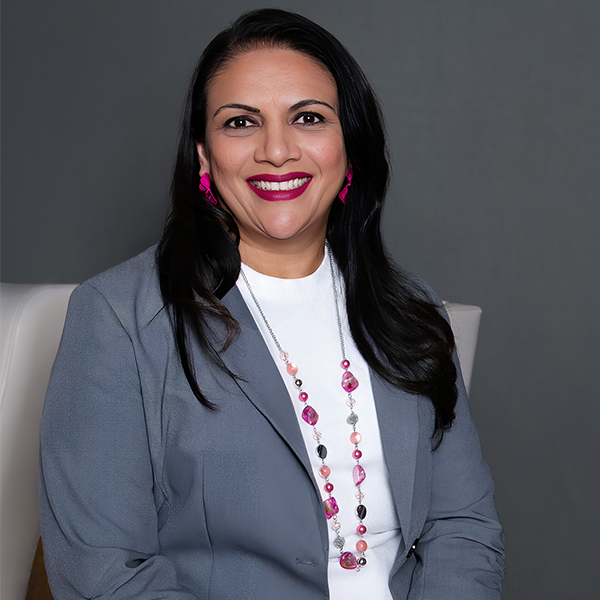
The systems that work when you are just getting started may not support the business you are trying to become. Kruti Naik explores how digital organization can create greater ease, clarity, consistency, and confidence as your business grows. Learn how to establish a reliable digital home for your files, email, calendar, tasks, and business information while reducing the clutter and distractions that quietly consume time and mental energy. You don’t need more apps or a complicated system. You need simple, consistent structures that make information easy to find and help your business work for you instead of creating more work.

A great idea only becomes a successful business when you can consistently deliver on what you promise. Dawn Crawley explores operations as the engine that turns strategy into action and helps a business adapt when circumstances change unexpectedly. Drawing from her experience navigating the dramatic disruption of the pandemic, she shows how clearly defined processes, workflows, metrics, and continuous improvement can strengthen day-to-day operations. Learn how identifying bottlenecks and documenting repeatable processes can improve efficiency, reduce errors, support hiring and delegation, and create a business that is better prepared to respond when the unexpected happens.

Entrepreneurship can make it surprisingly easy to lose sight of what makes you uniquely you. Vanessa Short explores how comparison, fear, self-doubt, and the pressure to fit in can cause business owners to hide behind a version of themselves they think others expect. Through her own experiences with networking, visibility, and vulnerability, she challenges you to recognize the strengths, values, and perspective you already bring to the table. Learn how greater self-trust can help you stop measuring yourself against someone else’s success and begin showing up more authentically in your relationships, your business, and the opportunities ahead.

Long before you started a business, you were developing beliefs about work, responsibility, success, and what it means to be capable. Samantha S. Marshall explores how those inherited patterns can become an invisible blueprint influencing your boundaries, pricing, leadership, decisions, and willingness to ask for help. Some beliefs may have helped you build your business but no longer fit the life or company you want today. Through awareness, permission, and intentional redesign, this chapter invites you to examine what is driving your decisions and begin creating a healthier blueprint for the entrepreneur and leader you are becoming.

You are not starting from scratch. You are starting from experience. Kimberly Jarena Pollard explores how the challenges, responsibilities, relationships, successes, and difficult seasons you have already lived through can become valuable preparation for entrepreneurship and leadership. Drawing from her experiences as a mother, military leader, advocate, and business owner, she shows how curiosity, self-awareness, learning, and trusted support can reshape the way you define success and make decisions. This chapter encourages you to recognize the wisdom you already carry and use it to build a business that reflects your own mission, values, purpose, and lived experience.

You cannot control every obstacle your business will face, but you can control how you respond. Elizabeth Ford explores the mindset shifts that helped her move from uncertainty and discouragement to building and leading BetterALife with greater ownership, confidence, and purpose. Learn why progress often requires taking action before you feel completely ready, protecting your time, setting boundaries, building relationships, asking for help, and refusing to let someone else’s limitations define your vision. Effective leadership begins when you stop asking why something is happening to you and start asking what you can do next.
Challenges, rejection, and disappointment are unavoidable in business, but the perspective you bring to them can change what happens next. Vanessa Short shares how practicing gratitude helped her move beyond discouragement and begin seeing difficult experiences as sources of information, growth, and opportunity. Learn how reframing setbacks, separating facts from feelings, and intentionally looking for lessons can strengthen resilience and restore joy to the entrepreneurial journey. Gratitude doesn’t change the circumstances themselves. It changes the lens through which you experience them, helping you approach uncertainty with greater optimism, clarity, and confidence.
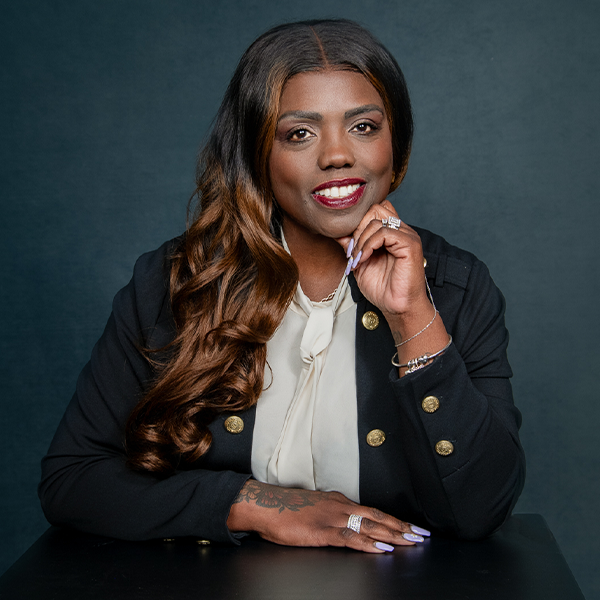
The freedom you imagined when starting your business shouldn’t come at the expense of your health, relationships, or ability to enjoy the life you’re building. Marlo Thomas Watson explores how burnout can quietly disguise itself as ambition, dedication, and responsibility until constant exhaustion becomes normal. Learn to recognize the warning signs, rethink the belief that success requires relentless hustle, and begin creating systems, boundaries, support, and intentional leadership practices that protect your energy. A thriving business needs more than strategy and expertise. It needs a healthy, present, and sustainable leader capable of bringing that strategy to life.

Strategy matters, but it isn’t the only force shaping your results. Tamara Wolfe explores the often-overlooked inner side of entrepreneurship: your vision, decisions, mindset, intuition, ability to navigate fear, and willingness to take consistent action. Learn how becoming clear about what you truly want, committing to that vision, and redirecting your attention away from limiting beliefs can help you move beyond plateaus and create meaningful growth. By strengthening the internal systems behind your actions, you can become more intentional about the thoughts, choices, and behaviors that ultimately determine the results you create.
You’ve learned the strategies, heard the stories, and worked through the questions. Now comes the part that truly builds a business: taking action. Tina R. Johnson closes Building Freedom with a reminder that success rarely arrives in one defining moment. It is created through hundreds of ordinary decisions, consistent movement, courage, relationships, and the willingness to keep going when the results aren’t immediate. You don’t need every answer or perfect timing to move forward. You simply need to take the next right step, trust what only you can bring to your business, and keep building the freedom you imagined.

Building Freedom was created to help women build businesses and lives with greater confidence, opportunity, and independence. That spirit of creating opportunity extends beyond the pages of the book.
All proceeds from Building Freedom benefit BetterALife, an organization dedicated to feeding those who are hungry while helping disrupt generational patterns through food assistance, educational support, life-skills services, and exposure to educational and career opportunities. BetterALife works to remind every child that they are loved, cared for, capable, and not forgotten.